

How to Decide Pixel Pitch in LED Displays for Optimal Viewing Distance
Introduction
When investing in an LED display, one of the most important factors to consider is pixel pitch. The pixel pitch of an LED screen directly affects how sharp, clear, and engaging your content will appear at different viewing distances. Whether it’s a retail store, a corporate boardroom, or a massive outdoor hoarding, understanding pixel pitch ensures your audience enjoys the best possible visual experience.
In this guide, we’ll explain what pixel pitch means, how it impacts viewing distance, and how to select the right pitch for your project.
What is Pixel Pitch in LED Displays?
Pixel pitch refers to the distance (in millimeters) between the centers of two adjacent LED pixels. It is usually written as P2, P3, P6 etc., where the number represents millimeters.
- Smaller pitch (P1.2, P1.5, P2.0): Higher resolution, clearer visuals, best for close viewing.
- Larger pitch (P6, P8, P10): Lower resolution, suitable for long-distance viewing.
👉 Simply put: The smaller the pixel pitch, the better the detail and clarity — but also the higher the cost.
Why Does Viewing Distance Matter?
The relationship between pixel pitch and viewing distance is crucial. If the audience is too close to a large-pitch display, they will notice gaps between pixels, making the screen look grainy. On the other hand, if the pitch is too fine for a far viewing distance, you may be overspending without any noticeable benefit.
This is why deciding pitch based on where your audience will stand is key.
General Rule of Thumb for Pixel Pitch vs Viewing Distance
A simple formula often used is:
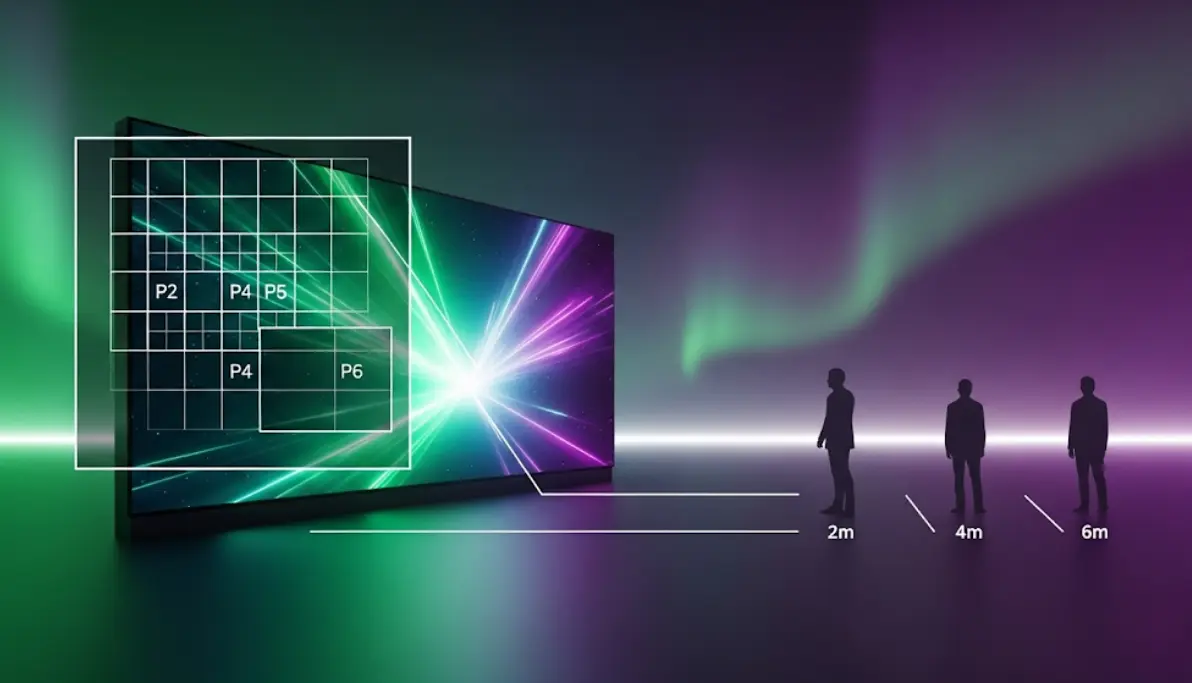
👉 Optimal Viewing Distance (in meters) ≈ Pixel Pitch (in mm)
For example:
- P2 screen → best viewed at 2 meters or more.
- P6 screen → best viewed at 6 meters or more.
Recommended Pixel Pitch by Application
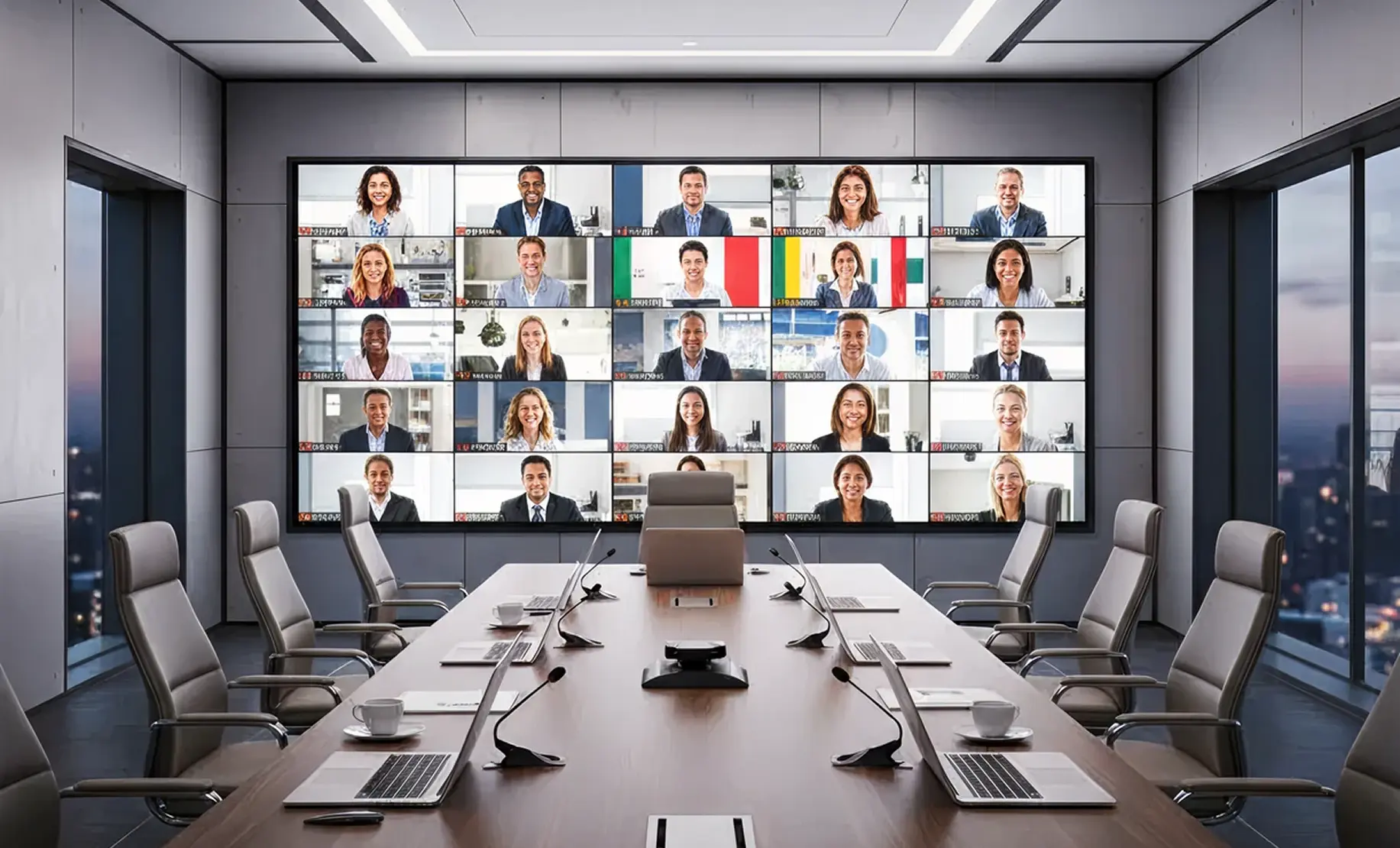
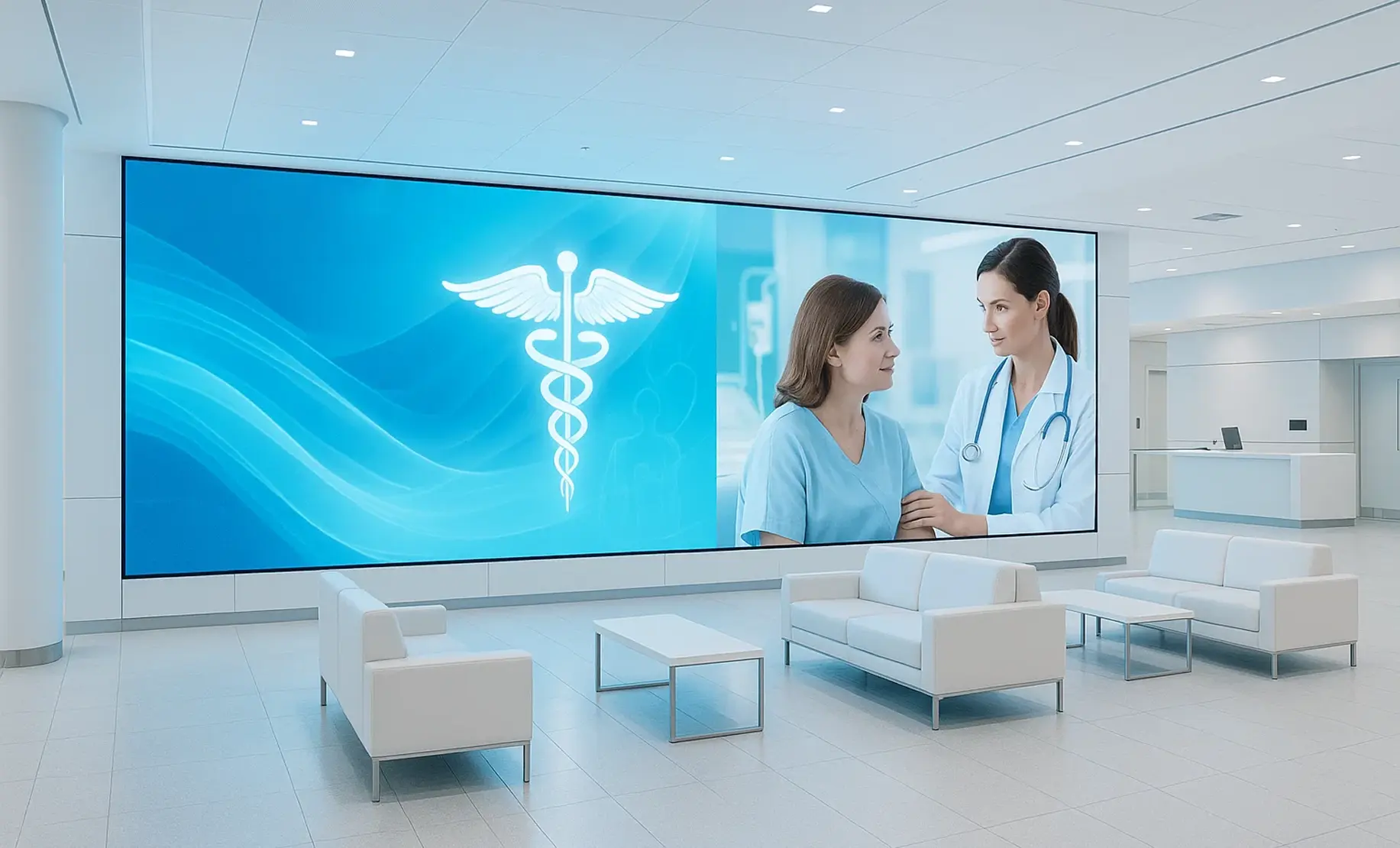
1. Indoor Environments (Boardrooms, Retail, Auditoriums)
- Recommended Pitch: P1.2 – P3
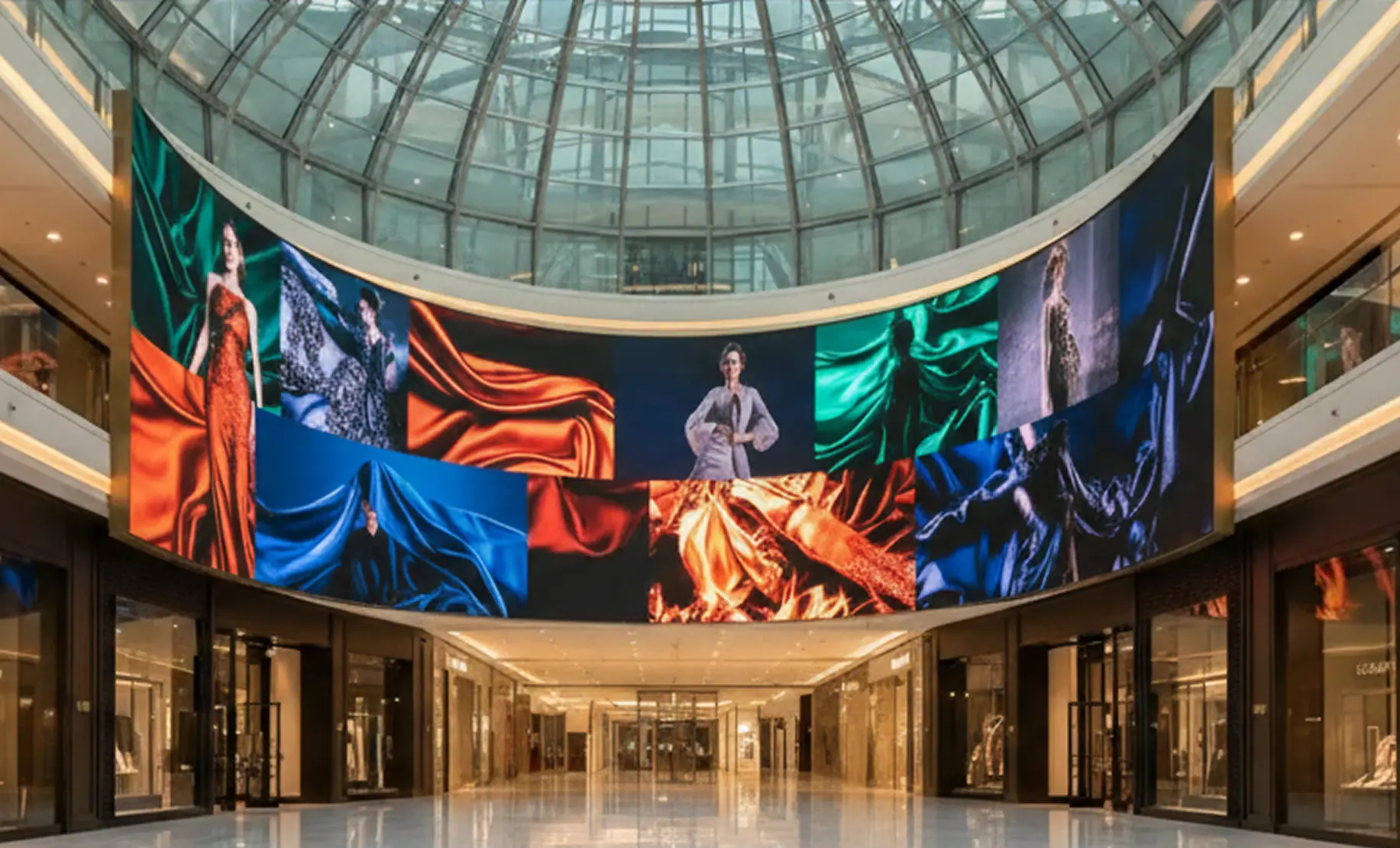
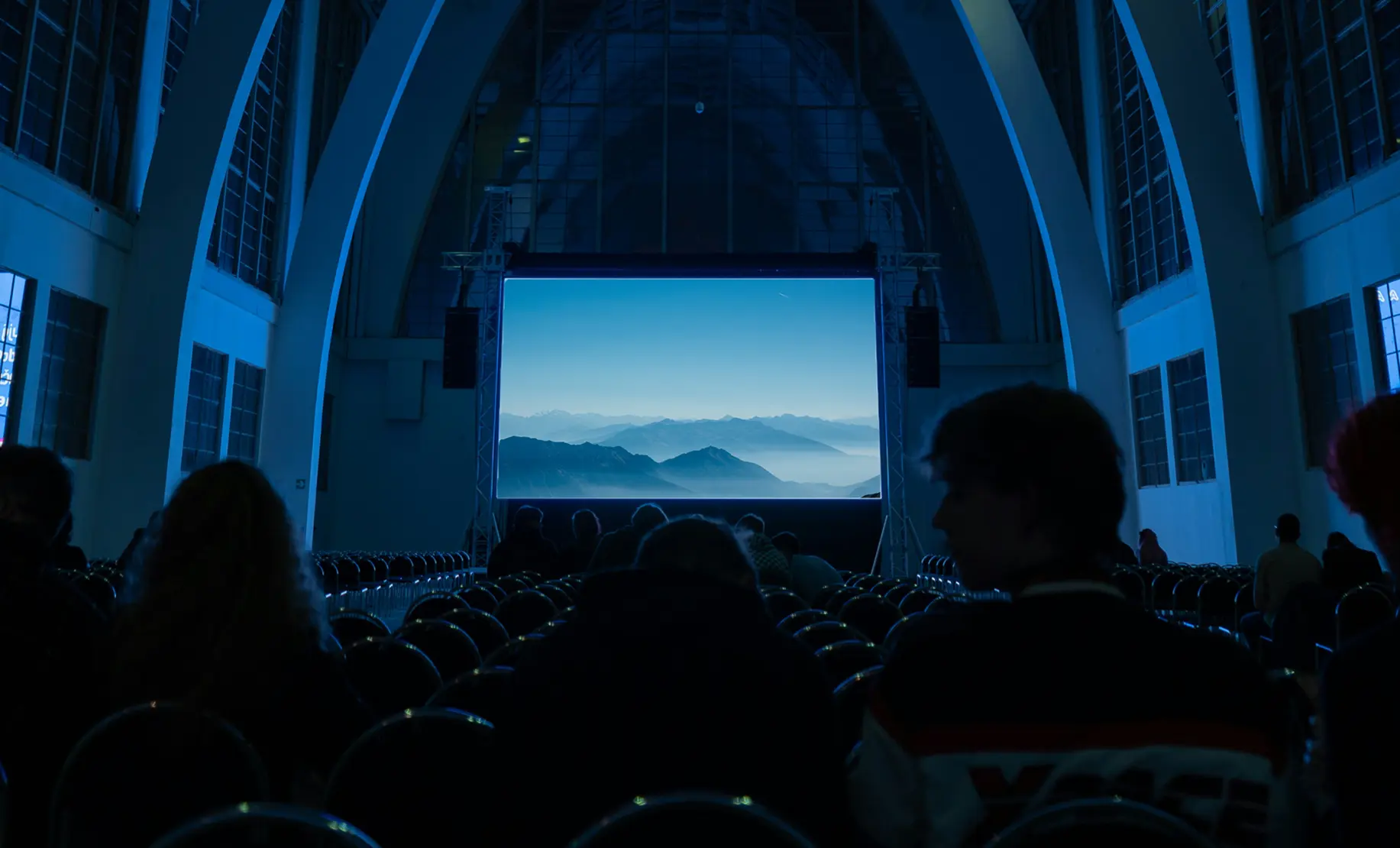
- Why? Audiences are closer, so fine pitch ensures sharp visuals. Perfect for presentations, branding, or close-range engagement.
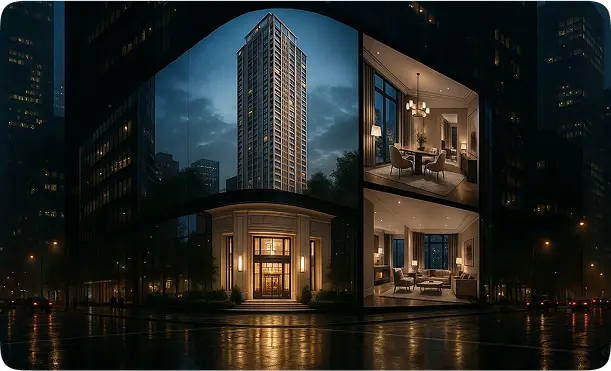
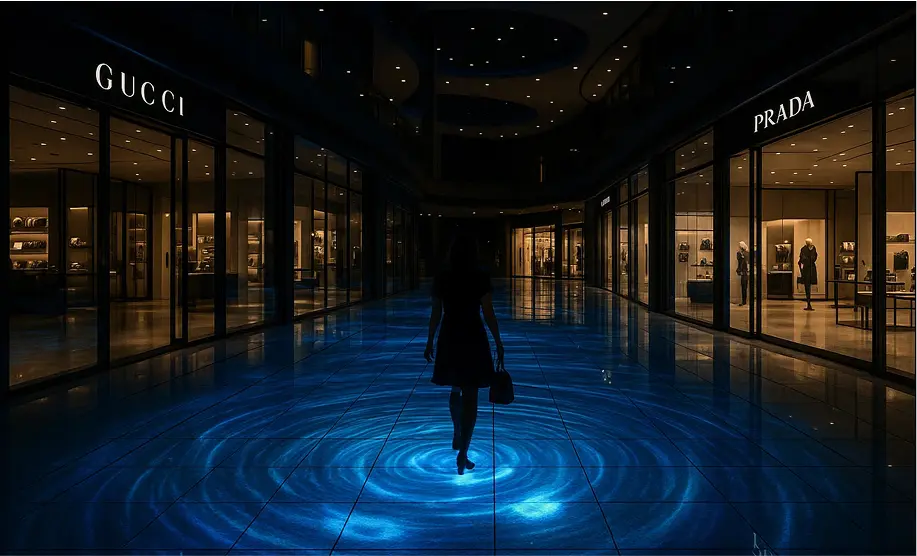
2. Experience Centres & Luxury Spaces
- Recommended Pitch: P1.2 – P2.5
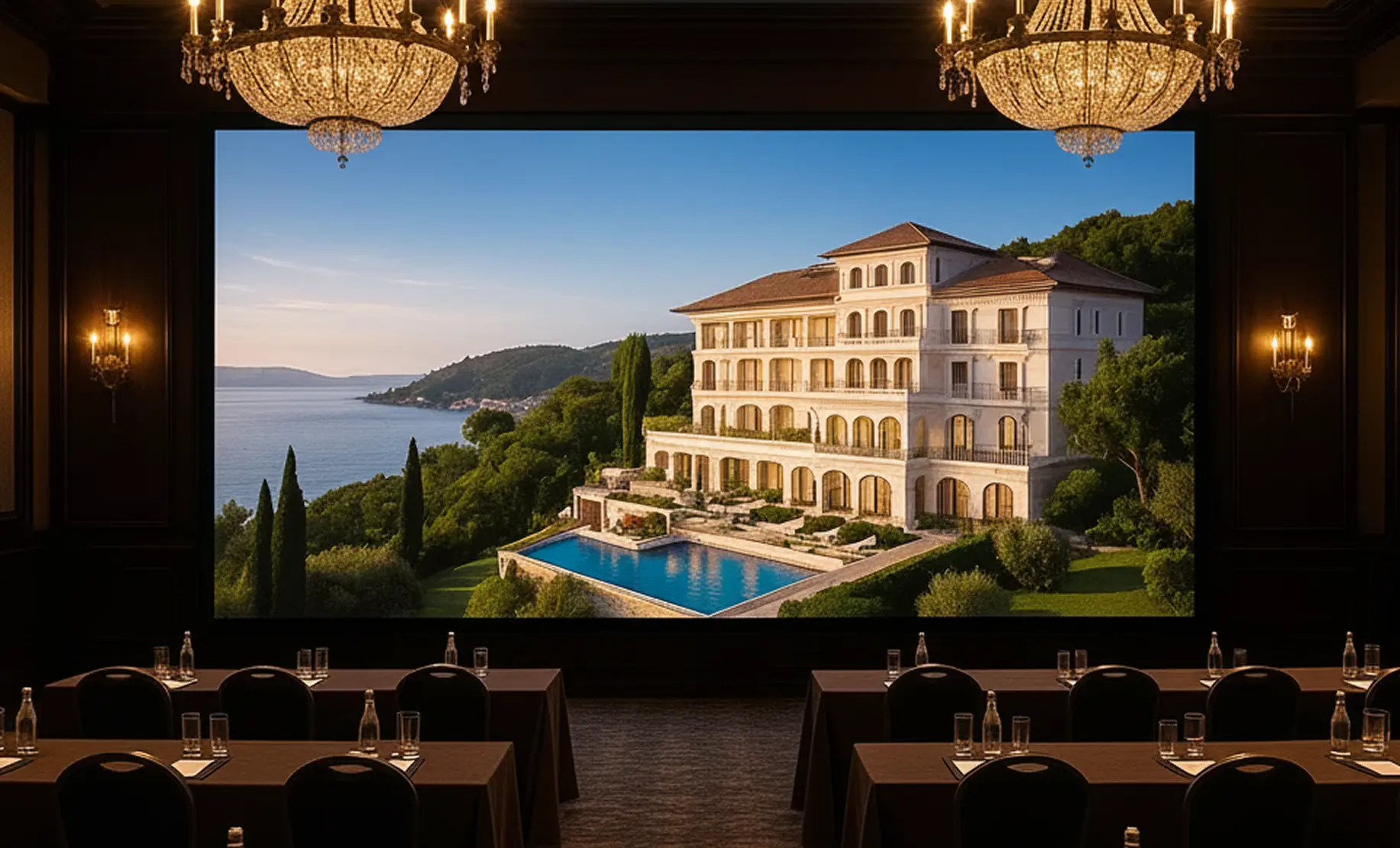
- Why? Premium environments demand lifelike clarity. COB technology with ultra-fine pitch is ideal.
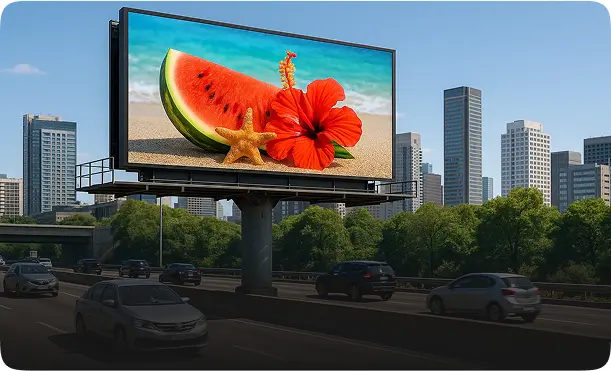
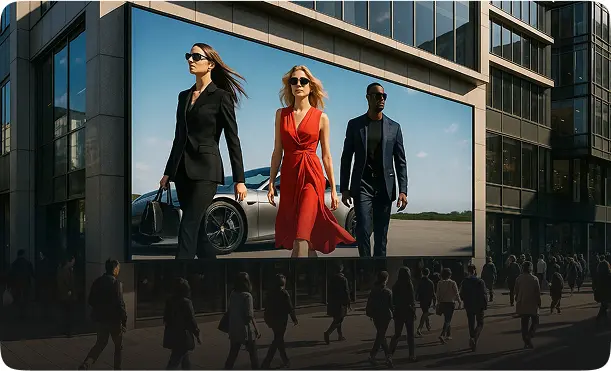
3. Outdoor Hoardings & DOOH Advertising
- Recommended Pitch: P6 – P16
- Why? Audiences view from 10–100 meters away, so high clarity isn’t needed at close-up level. Brightness and size matter more.
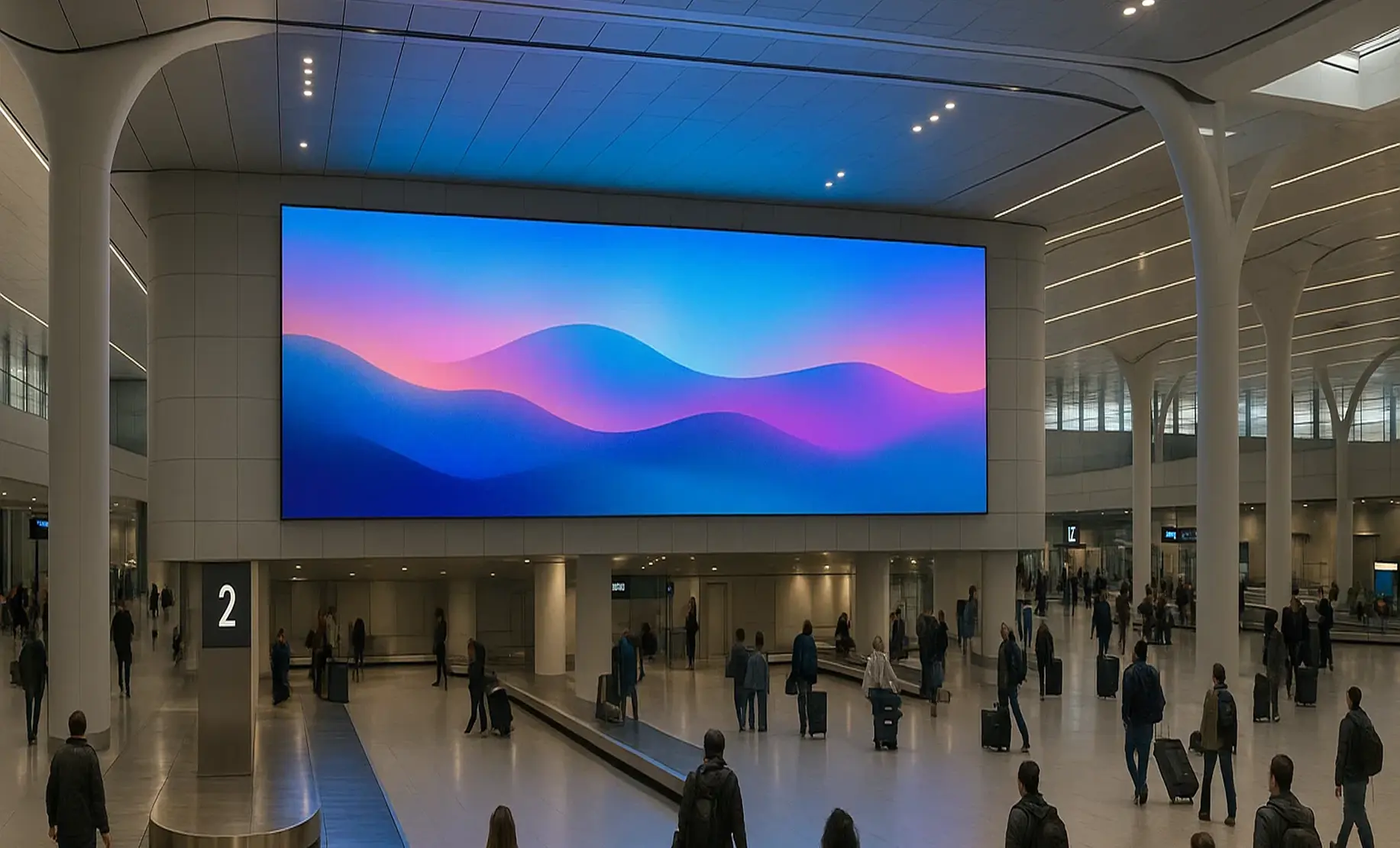
4. Airports & Transit Hubs
- Recommended Pitch: P2.5 – P4
- Why? Mixed viewing distances (near and far), so balance between resolution and scale is needed.
5. Stadiums & Events
- Recommended Pitch: P6 – P10
- Why? Large audience and long-distance viewing. Pitch ensures visibility and cost-efficiency.
Factors Beyond Pixel Pitch
While pixel pitch is key, also consider:
- Brightness Levels (Nits): For outdoor displays, brightness is as important as resolution.
- Content Type: Text-heavy or data-driven visuals need finer pitch.
- Budget: Smaller pixel pitch = higher cost. Balance clarity with ROI.
- Screen Size: Larger screens can compensate for higher pitch.
Future Trends: Smaller Pitch, Bigger Impact
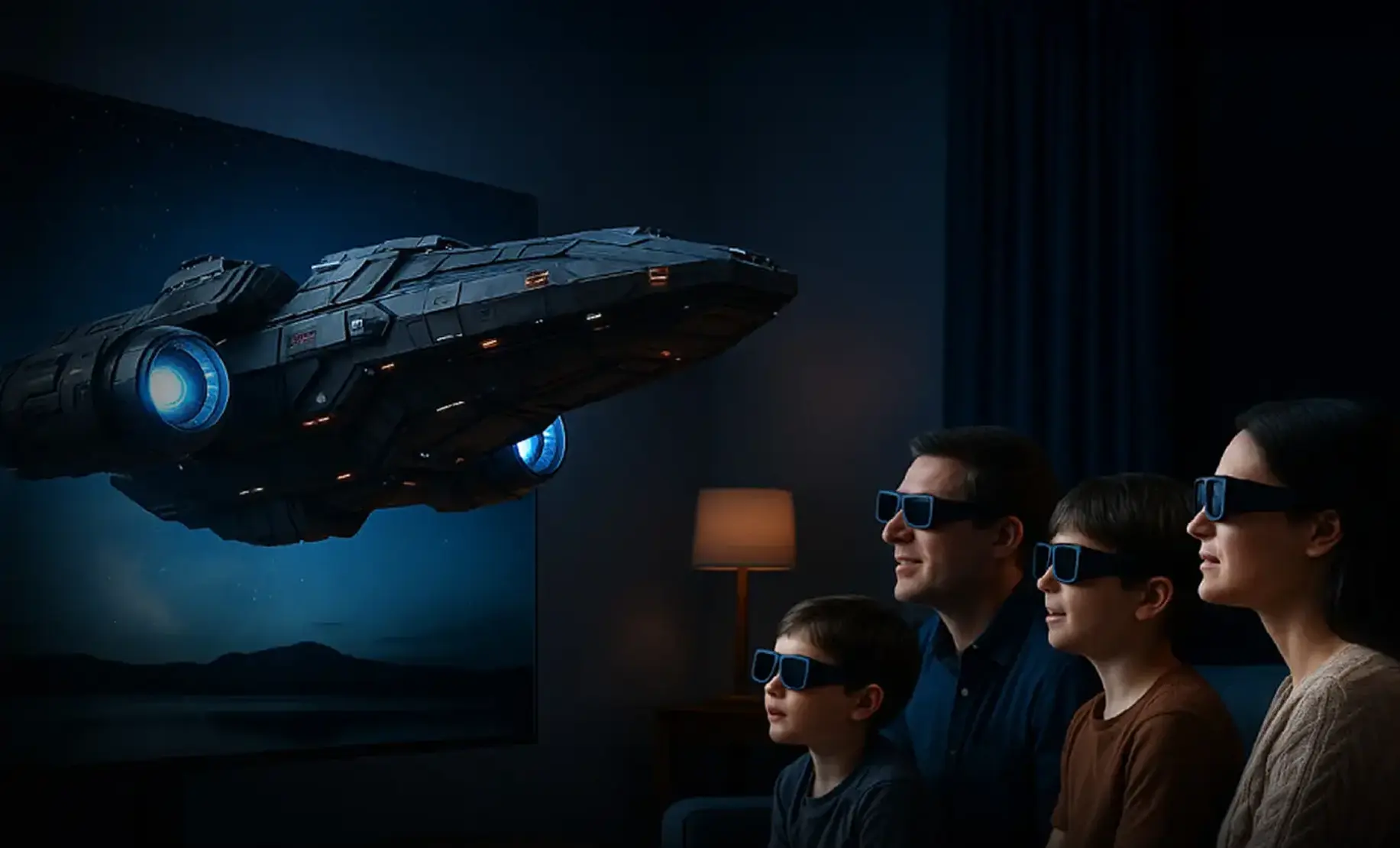
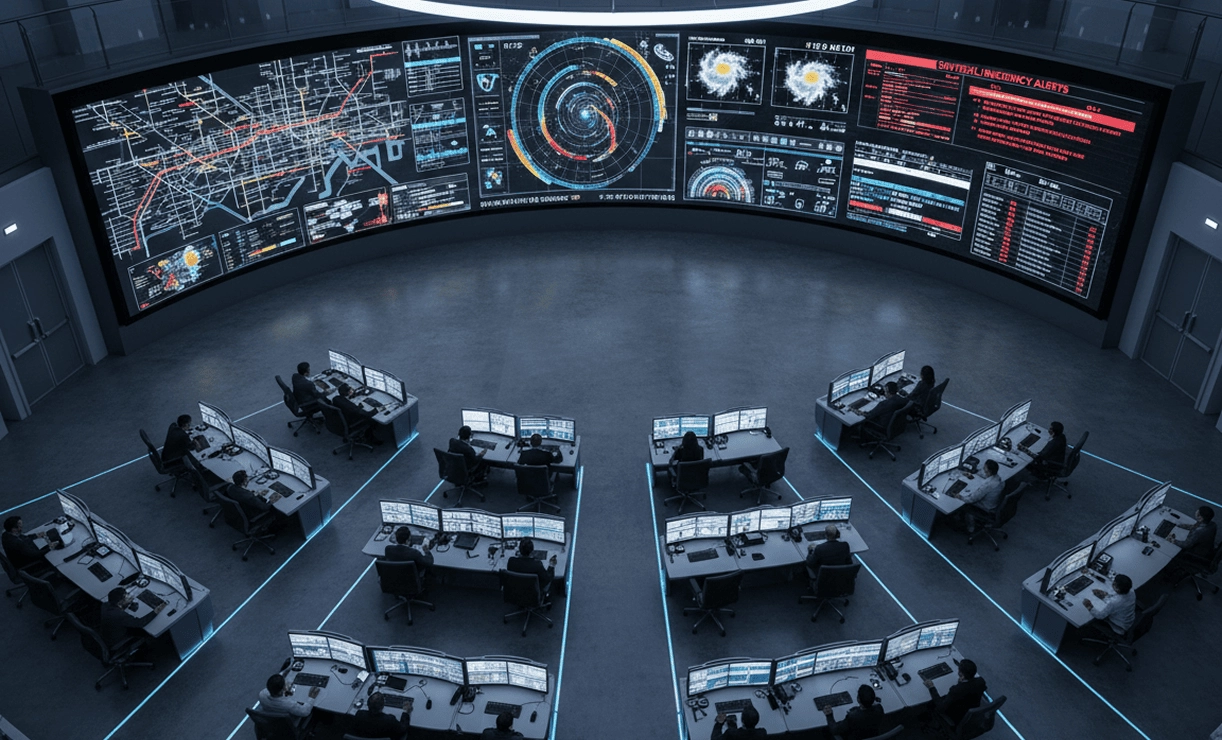
With new technologies like COB (Chip-on-Board) and MicroLED, ultra-fine pixel pitch (P0.7–P1.2) is becoming more affordable. This opens opportunities for home theatres, command centers, and premium indoor displays with lifelike visuals and even 3D-ready experiences.
Conclusion: Choosing the Right Pitch
When deciding pixel pitch, always ask:
- How close will my audience be?
- What kind of content will I display?
- Is my project indoor, outdoor, or hybrid?
At Everglow, we specialize in helping businesses, brands, and institutions select the perfect LED solution. From Aura COB fine-pitch displays to Spectra outdoor brilliance and Vertex flexible panels, our portfolio ensures every application is covered — always engineered to Capture Awe.

LED SMD is Better with Which Base? Copper vs Iron vs Gold Comparison
In the evolving world of LED display technology, the smallest components often decide the biggest…