















LED SMD is Better with Which Base? Copper vs Iron vs Gold Comparison
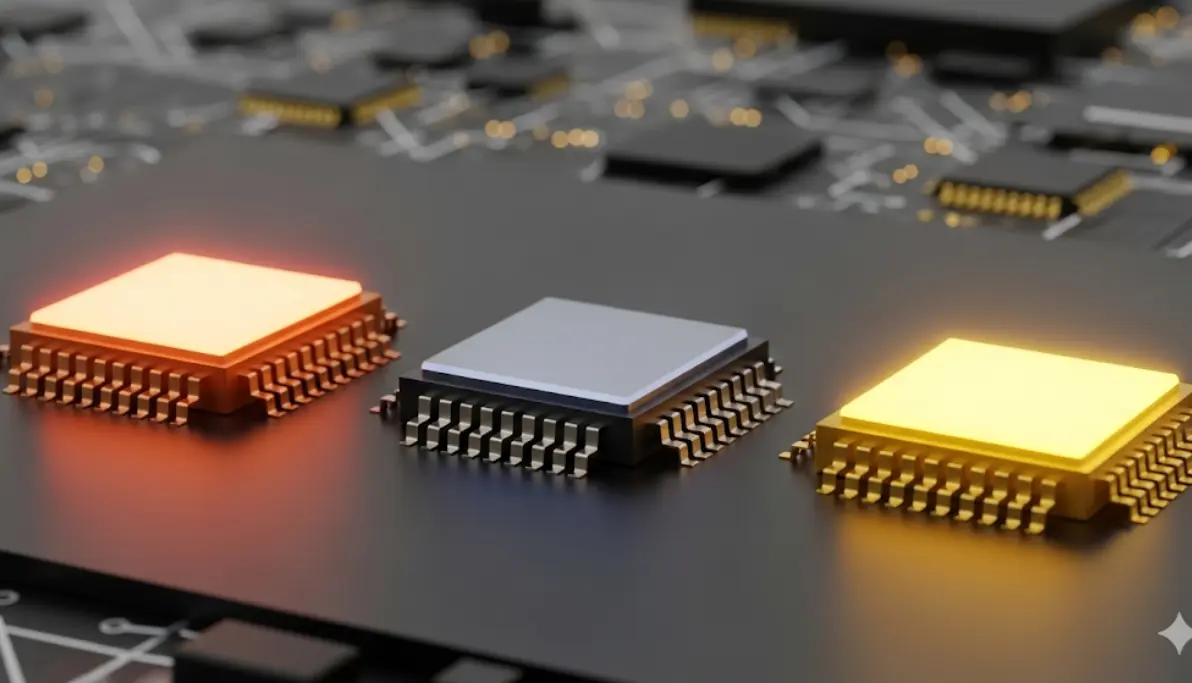
In the evolving world of LED display technology, the smallest components often decide the biggest differences in performance. One such critical component is the base material used in SMD LEDs (Surface-Mounted Devices). The base material directly affects thermal conductivity, electrical efficiency, durability, and overall display performance.
But when it comes to choosing between Copper, Iron, or Gold as a base for SMD LEDs, which is better? Let’s break it down.
🔍 What is an SMD LED Base?
The base of an SMD LED is the metal substrate that:
- Conducts electricity between the chip and circuit.
- Helps dissipate heat away from the LED chip.
- Ensures long-term stability and lifespan of the display.
Since LEDs generate heat while operating, the choice of base material is crucial for both efficiency and durability.
⚡ 1. Copper Base – The Industry Standard
Why Copper?
Copper is widely used as the base material for high-performance SMD LEDs because it strikes the perfect balance between thermal conductivity, cost, and durability.
✅ Advantages of Copper Base:
- Excellent thermal conductivity (390–400 W/mK): Quickly dissipates heat, keeping LED chips cool.
- High electrical conductivity: Ensures smooth current flow, reducing power loss.
- Strong durability: Handles high-brightness and long runtime environments well.
- Widely available & cost-effective compared to gold.
❌ Limitations:
- Copper is prone to oxidation if not plated with a protective layer (like silver or gold plating).
- Slightly heavier than iron-based alternatives.
👉 Best Use Cases:
Outdoor LEDs, high-brightness billboards, premium indoor displays (like Aura COB, Luxa), where heat management and durability matter most.
⚡ 2. Iron Base – The Budget-Friendly Option
Iron-based SMD LEDs are a low-cost alternative, often found in budget or entry-level LED displays.
✅ Advantages of Iron Base:
- Cheaper production cost: Suitable for price-sensitive markets.
- Moderate durability: Works for smaller or temporary display setups.
❌ Limitations:
- Poor thermal conductivity (~80 W/mK): Heat dissipation is much weaker than copper or gold.
- Higher failure rate: Can cause chip burnout if used for long hours.
- Prone to rust & corrosion.
- Lower efficiency: Results in reduced brightness and shorter lifespan.
👉 Best Use Cases:
Temporary event displays, indoor setups with short operating hours, cost-conscious projects.
⚡ 3. Gold Base – The Premium Choice
Gold is rarely used for full bases but is often applied as plating on copper or alloy bases for high-end applications.
✅ Advantages of Gold Base:
- Superior oxidation resistance: Gold doesn’t corrode, ensuring long-term stability.
- Excellent electrical conductivity (~310 W/mK): Provides a smoother, more stable current flow.
- Enhanced reliability: Especially in fine-pitch LEDs (like COB P0.7–P1.5).
- Lightweight: Beneficial in micro-LED and miniaturized applications.
❌ Limitations:
- High cost: Significantly more expensive, making it impractical for large-scale outdoor use.
- Marginal performance improvement over copper: Not always worth the extra expense.
👉 Best Use Cases:
Ultra-fine pitch LEDs, COB (Chip-on-Board) displays, aerospace, medical, and luxury-grade LED installations where maximum reliability is needed.
⚔️ Comparison Table: Copper vs Iron vs Gold SMD Bases
| Feature | Copper | Iron | Gold |
|---|---|---|---|
| Thermal Conductivity | ⭐⭐⭐⭐⭐ (400 W/mK) | ⭐⭐ (80 W/mK) | ⭐⭐⭐⭐ (310 W/mK) |
| Electrical Conductivity | High | Moderate | Very High |
| Durability | High | Low | Very High |
| Corrosion Resistance | Medium (needs plating) | Low | Excellent |
| Cost | Moderate | Low | Very High |
| Best Use Cases | Outdoor, Premium Indoor | Budget Displays | Fine Pitch, COB, Luxury |
📌 Which Base Should You Choose?
- Choose Copper: If you need a balance of performance, cost, and reliability. Ideal for most LED applications.
- Choose Iron: If you are on a tight budget and the display won’t run for long hours or require high brightness.
- Choose Gold: If you’re building ultra-premium displays, fine-pitch LEDs, or long-term mission-critical installations where performance outweighs cost.
🌟 Everglow’s Approach: Why We Prefer Copper + Gold Plating
At Everglow, we focus on copper-based SMD LEDs with protective gold or silver plating, ensuring:
- Superior heat management (longer LED lifespan).
- Excellent brightness stability over years.
- High reliability even in extreme environments.
- Value-for-money compared to pure gold bases.
This balance allows us to deliver displays that capture awe without compromise.
✅ Conclusion
The choice of **SMD base material—Copper, Iron, or Gold—**directly impacts the efficiency, durability, and cost of LED displays.
- Copper remains the industry standard for its excellent performance-to-cost ratio.
- Iron works for short-term, budget projects but lacks durability.
- Gold is the premium option, best suited for fine-pitch and luxury-grade applications.
At the end of the day, the right choice depends on your project requirements, budget, and performance needs.
When in doubt, trust proven expertise—Everglow ensures every LED solution is engineered for brilliance, reliability, and impact.

How to Decide Pixel Pitch in LED Displays for Optimal Viewing Distance
Introduction When investing in an LED display, one of the most important factors to consider…